Have you been wondering when to start toilet training your child? Or perhaps you've already started, but your child refuses to sit on the toilet, doesn't seem to notice when they need to go, or continues having accidents?
Toilet training can be an exciting milestone, but it can also be challenging for children and parents alike.
The important thing to remember is that every child develops at their own pace. Some children learn to use the toilet relatively quickly, while others need more time, encouragement and individualised support.
Toilet training is also about much more than learning to wee or poo in the toilet. It involves recognising body signals, managing clothing, balancing on the toilet, communicating needs, following a routine and developing independence with personal hygiene.
In this guide, we'll explore practical strategies you can try at home, including some creative, play-based approaches that occupational therapists may use to support children who find toileting particularly challenging.
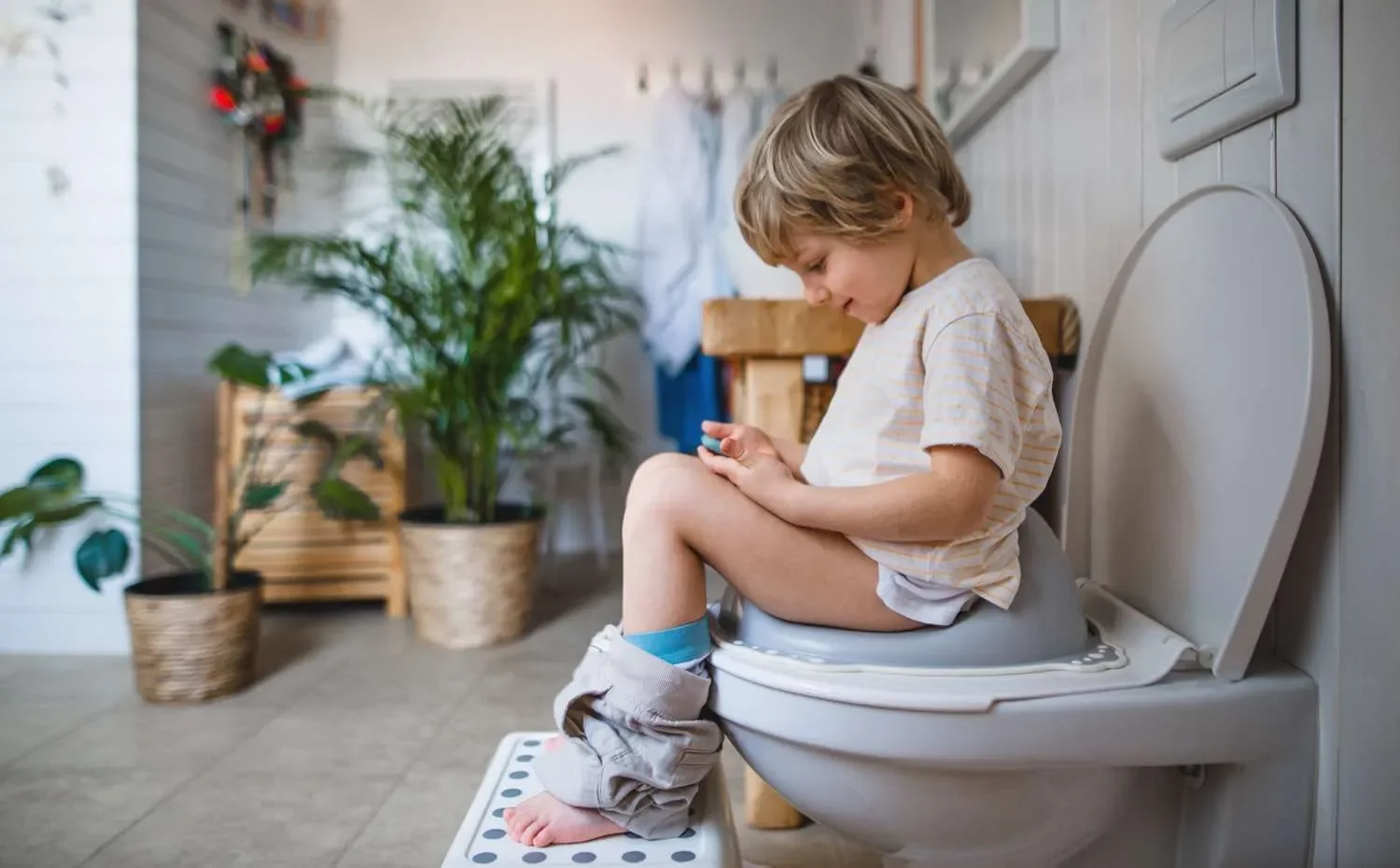
1. Is My Child Ready for Toilet Training?
Many children begin showing interest in toilet training between 2 and 3 years old, although every child develops at their own pace.
Signs your child may be ready include:
Showing interest in the toilet or copying family members.
Noticing or communicating when their nappy is wet or dirty.
Staying dry for longer periods.
Showing signs they need to wee or poo, such as hiding, squatting or becoming quiet.
Beginning to participate in pulling their pants up and down.
OT Tip: Your child doesn't need to demonstrate every sign before you introduce toileting routines. For children with developmental differences, the goal may initially be building familiarity and confidence rather than using the toilet independently.
2. How to Start Toilet Training at Home
Make the Bathroom Comfortable
Children are more likely to participate when they feel safe and supported.
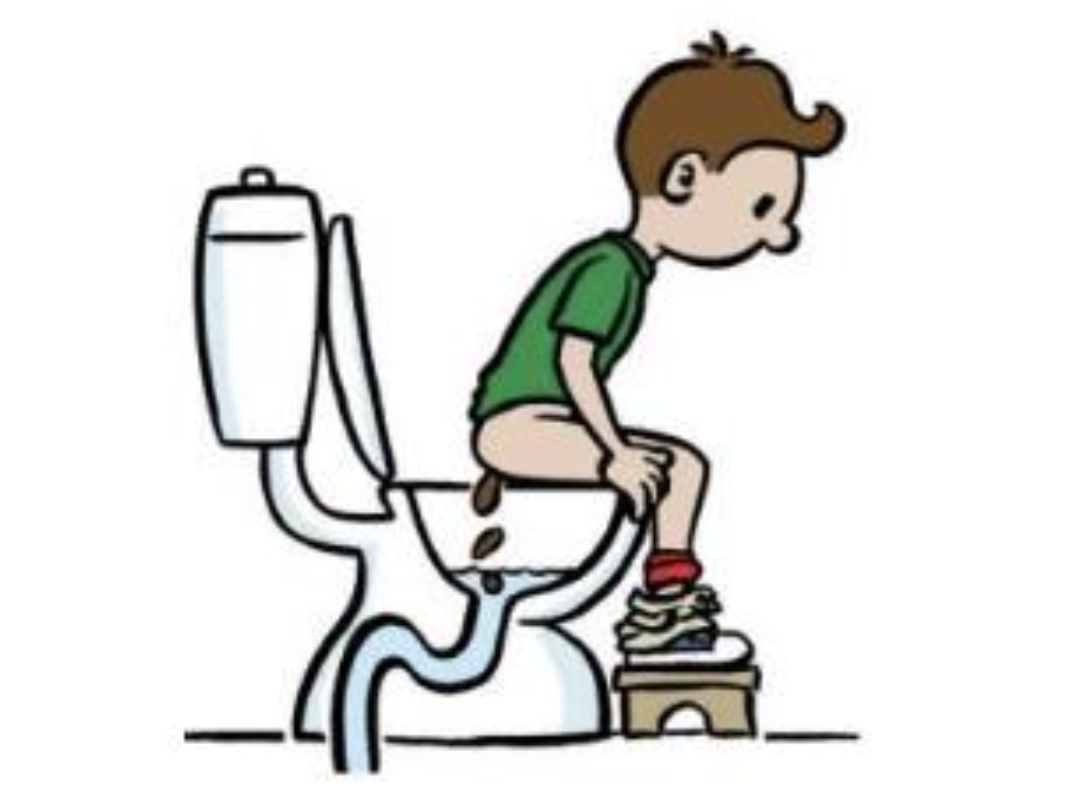
Try using a child-sized toilet seat or potty, a stable footstool and clothing that's easy to manage.
If your child is sensitive to sounds, smells or textures, consider adjustments such as flushing after they leave the bathroom or allowing them to choose their preferred toilet seat.
Establish a Predictable Routine
Offer regular opportunities to use the toilet, such as:
After waking up.
After meals.
Before leaving the house.
Before bedtime.
You can also offer opportunities based on your child's usual toileting patterns.
Keep toilet sits brief and relaxed. Avoid forcing your child to sit or stay longer than they're comfortable with.
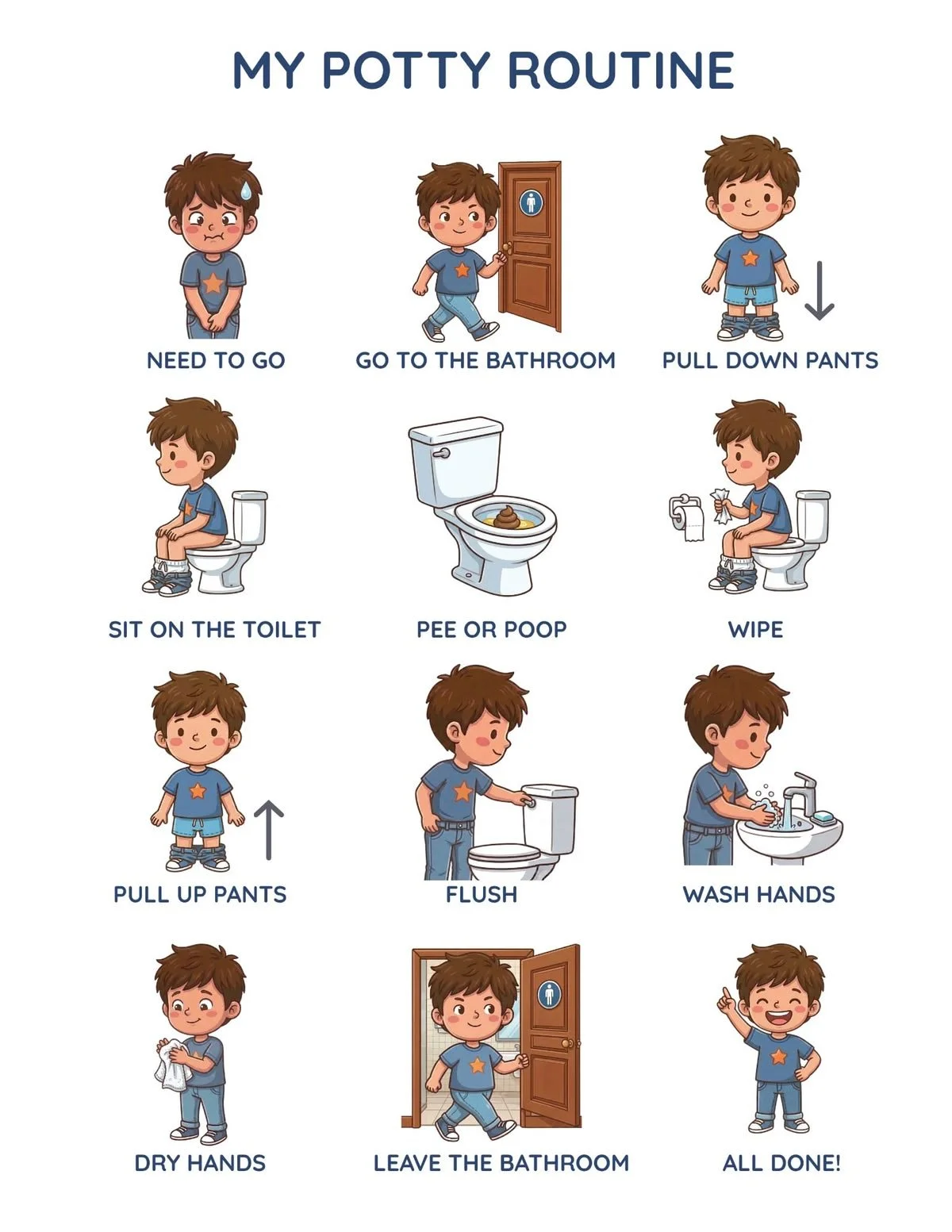
Use Visual Supports
Some children benefit from seeing what comes next.
A visual schedule can break toileting into manageable steps:
Go to the bathroom → Pull down pants → Sit → Wipe → Pull up pants → Flush → Wash hands
Visuals are particularly useful for children who find transitions or multi-step routines challenging.
Celebrate Small Achievements!
Toilet training success isn't just about getting wee or poo into the toilet.
Entering the bathroom, sitting on the toilet, communicating a need or trying to pull down pants are all meaningful steps.
Praise your child's effort and respond calmly to accidents. Avoid punishment, embarrassment or pressure.
3. Why Is My Child Struggling With Toilet Training?
Sometimes children need extra support because of underlying sensory, physical or developmental challenges.
Difficulty Recognising Body Signals
Some children have difficulty recognising when their bladder or bowel is full. This relates to interoception, our ability to notice sensations inside our bodies.
You can help by:
Talking about body sensations during everyday activities.
Noticing patterns in when your child wees or poos.
Offering predictable toilet opportunities.
Using simple body-awareness visuals.
For example, you might ask, "Does your bladder feel empty, a little full or very full?"
Remember that children may not always be able to identify these sensations accurately.
Sensory Sensitivities or Toilet Refusal
Some children dislike the sound of flushing, the feeling of the toilet seat, the bathroom smell or the sensation of sitting with their feet unsupported.
If your child refuses the toilet, try breaking the experience into smaller steps:
Enter the bathroom.
Stand near the toilet.
Sit on the closed lid while clothed.
Sit on the toilet with clothing on.
Gradually practise sitting with pants down.
Move at your child's pace, and return to an easier step if they become distressed.
Constipation or Poo Withholding
Some children avoid pooing because they've previously experienced pain or discomfort.
Constipation can contribute to toilet refusal, poo withholding and even urinary accidents.
If your child regularly experiences painful stools, withholding, constipation or ongoing accidents, speak with your GP. Addressing medical concerns is important before increasing toilet training expectations.
4. Creative Toilet Training Strategies You Might Not Have Tried
Traditional toilet training methods don't work for every child.
Sometimes a more playful or individualised approach can make a difference.
Here are some creative strategies families and occupational therapists may try.
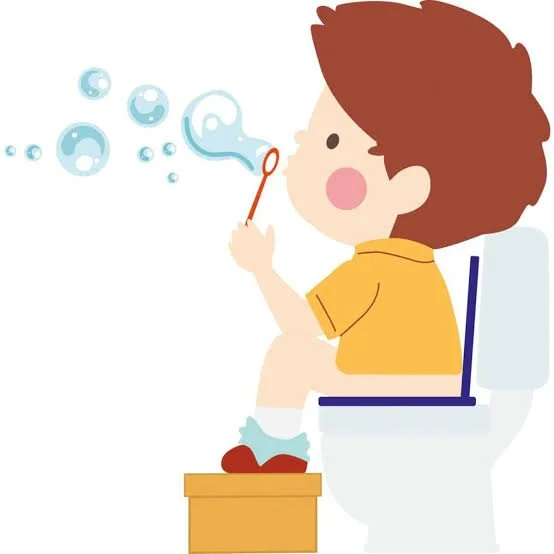
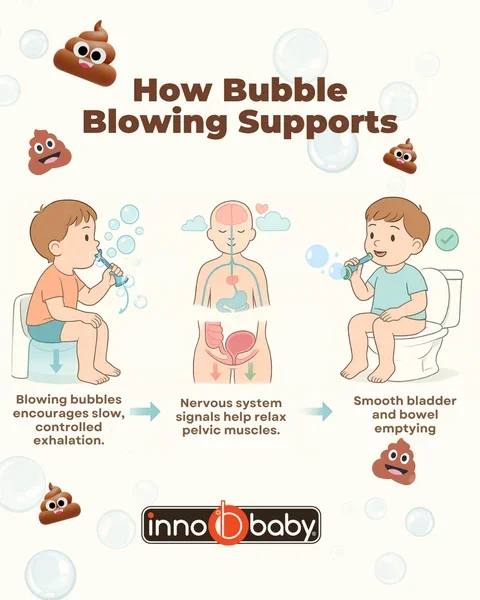
Blow Bubbles on the Toilet
Encourage your child to gently blow bubbles, use a pinwheel or pretend to blow out birthday candles while sitting comfortably.
For some children, gentle breathing activities may help them feel more relaxed, particularly when they're anxious about pooing.
Avoid encouraging straining or prolonged sitting.
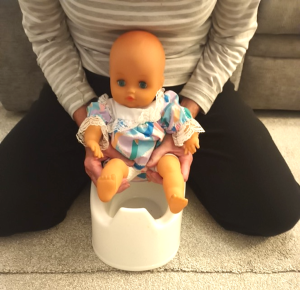
Practise With Dolls and Teddy Bears
Use pretend play to demonstrate the toileting routine.
Let your child teach their teddy how to sit on the toilet, wipe, flush and wash hands.
This can help children understand the process without the pressure of doing it themselves.
Try Backward Chaining
Instead of expecting your child to complete the entire routine, begin with the last step.
For example, you might initially help your child with toileting and encourage them to complete the final step of drying their hands.
Once they're confident, gradually introduce earlier steps.
This can help children experience success while building independence.
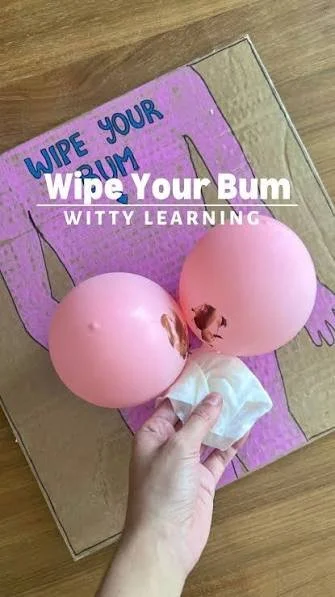
Turn Wiping Into a Game
Wiping involves reaching behind the body, coordinating movements and understanding when cleaning is complete.
Try these activities outside the bathroom:
Toilet Paper Tails: Tuck a short strip of toilet paper into the back of your child's waistband and encourage them to reach behind to pull it out.
Wipe the Table: Place a small amount of washable paint on a wipeable surface and encourage your child to clean it away using a cloth.
Pass the Teddy: Encourage your child to pass a soft toy behind their back to practise reaching and body awareness.
These activities build skills needed for wiping without the pressure of practising only after a bowel movement.
Incorporate Your Child's Interests
Does your child love dinosaurs, superheroes or trains?
Use their favourite characters in toilet visuals, stories or pretend play.
You might even create a personalised toilet routine featuring their favourite character.
The aim is to make toileting familiar and engaging rather than turning it into a pressured task.
Practise Without the Pressure to Go
If your child becomes anxious about using the toilet, practise the routine when they don't urgently need to wee or poo.
Walk into the bathroom, manage clothing, sit briefly if comfortable and wash hands.
This helps your child learn the sequence without the additional pressure of needing to use the toilet.
Remember: These are optional strategies that may help some children. Not every approach has been formally studied for toilet training, and what works for one child may not work for another.
5. Teaching Your Child to Wipe Independently
Wiping is often one of the more challenging toileting skills.
It requires balance, coordination, reaching behind the body, managing toilet paper and knowing when the area is clean.
Start by practising the movements through play, then gradually introduce the steps during actual toileting.
Teach wiping from front to back, particularly for children with a vulva, and continue providing hygiene assistance until your child can clean themselves effectively.
6. When Should You Seek Additional Support?
Consider speaking with a healthcare professional if your child:
Experiences significant fear or distress around toileting.
Regularly withholds poo or experiences constipation.
Has difficulty recognising when they need to wee or poo.
Continues experiencing accidents despite supportive routines.
Has sensory, motor or developmental differences affecting toileting.
Finds toileting difficulties are affecting daily activities, childcare or school.
Your GP can help investigate medical concerns, while a paediatric occupational therapist can support the practical skills involved in toileting, including sensory needs, body awareness, motor coordination and daily routines.

Every Child Learns Differently
Toilet training is a journey, not a race.
The goal isn't simply to get your child using the toilet. It's to help them develop confidence, comfort and independence at their own pace.
“Here at Gumboots Child Therapy, we help little ones tackle big toilet milestones, one wee step at a time!”